If you are thinking about buying newer construction in Vienna, VA, you are not shopping a typical new-home market. In Vienna, newer homes are often custom builds, teardown-rebuilds, or infill projects on existing lots rather than homes in a large subdivision. That can create great opportunities, but it also means you need to evaluate the house, the lot, and the block together. Let’s dive in.
Why newer construction is different in Vienna
Vienna is a small town in Fairfax County, about 15 miles from Washington, D.C. The town’s planning and zoning framework is designed to support future growth while preserving the neighborly character Vienna is known for. That matters because newer construction here is shaped by both individual property decisions and broader redevelopment patterns.
The local housing stock also explains why this is a niche segment. Fairfax County’s 2024 housing inventory shows 5,813 housing units in Vienna, with 53.1% built before 1970 and 22.2% built from 2010 through 2024. In other words, newer homes are a meaningful part of the market, but they are still a minority.
For many buyers, that means the real choice is not simply “new versus old.” You are often comparing a renovated older home, a recent rebuild, and a newer infill property with very different tradeoffs in layout, lot use, and street presence.
What newer Vienna homes usually offer
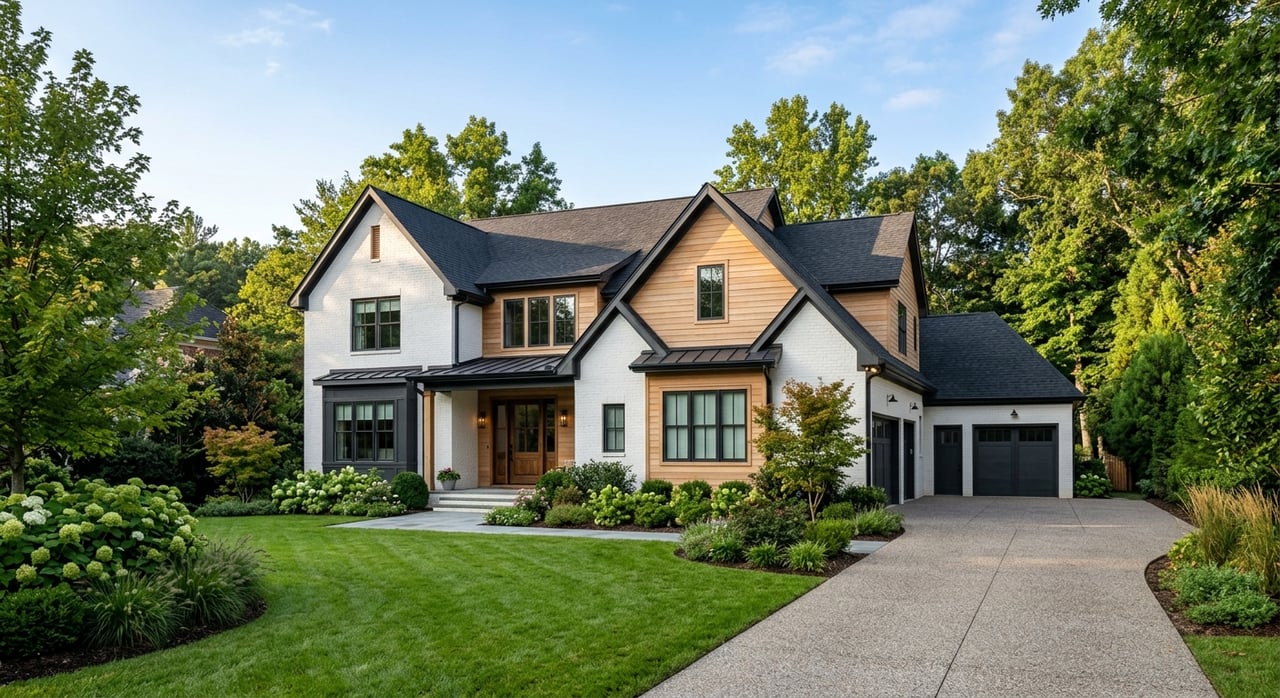
In Vienna, newer construction tends to mean larger detached homes on established lots. Recent market patterns show many of these homes have expansive floor plans, multiple bedrooms and baths, open main levels, finished basements, and two- to three-car garages. The overall feel is often custom or semi-custom rather than production-built.
That can be appealing if you want modern flow, updated systems, and more flexible living space. You may find features like upper-level offices, loft areas, morning rooms, or large entertaining spaces that are harder to find in older homes without major renovation. For buyers who value convenience and a more current layout, that can be a strong advantage.
At the same time, those interior gains often come with tradeoffs outside. Vienna’s detached residential zones have minimum lot sizes, including 10,000 square feet in RS-10, 12,500 square feet in RS-12.5, and 16,000 square feet in RS-16. Coverage and height rules also shape how much can be built, so larger homes may use more of the lot and leave less yard depth or side-yard space.
How lot rules affect your purchase
When you buy a newer home in Vienna, the lot matters almost as much as the floor plan. Zoning rules influence the home’s footprint, height, and how the structure sits on the site. That is one reason many newer homes feel substantial inside while presenting a different outdoor experience than older properties on similar streets.
Article 4A also affects how a property meets the street. For detached construction in RS-10, RS-12.5, and RS-16, new construction, additions, and alterations are subject to frontage improvement requirements tied to the pedestrian plan. Driveways and parking areas must use permanent materials such as asphalt, concrete, or grid pavers.
For you as a buyer, this can be positive. A newer home may feel more polished from the curb because the street edge, driveway finish, and overall frontage treatment are more complete than what you see at some older properties. Still, it is worth asking how those improvements fit with your priorities for yard space, parking, and day-to-day usability.
Infill means the site deserves close review
Because many newer homes in Vienna are built on existing lots, site conditions deserve real attention. The town’s code limits how much a detached lot can be regraded around the home footprint on non-subdivision lots. That makes topography and drainage important parts of your review.
This is especially important if the lot slopes, the basement is finished, or the home sits noticeably differently from neighboring houses. A beautiful interior does not tell you everything about how water moves across the site or how the finished elevations were handled. In infill markets, those details can matter long after closing.
A good evaluation should include the home and the land around it. Pay close attention to drainage patterns, grading, basement conditions, and the relationship between the house and the lot lines. In Vienna, that is not overthinking it. It is smart buying.
Permits and approvals do not replace inspection
One of the biggest mistakes buyers make with newer construction is assuming permits equal perfection. Vienna’s permitting process is layered, and for large-scale residential projects with more than 2,500 square feet of land disturbance, the town may require site plans, grading plans, a wall-check survey, building-height certification, a final house-location survey, and erosion and sediment controls before a Certificate of Occupancy is issued.
The town also states that a Certificate of Occupancy is granted only after Fairfax County building inspections and Town site and zoning inspections are complete. That is important, but it does not mean you should skip your own due diligence. Official approvals serve a different purpose than a buyer-focused inspection.
For a Vienna purchase, your inspection mindset should be simple: trust the process, but verify the property. A private home inspection can help you assess condition and safety from your perspective as the buyer. On a newer infill home, it is also wise to confirm that the final layout and site conditions align with the approved plans and finished elevations.
Historic district rules can affect design
Not every newer home in Vienna faces the same design review path. If a property is in the Windover Heights Historic District, the Windover Heights Board of Review examines new construction and major exterior alterations that are visible from the public right-of-way. The goal is to ensure that work fits the district’s historic architectural character.
If you are comparing properties in different parts of town, this is worth flagging early. Historic district review can affect design choices, timing, and exterior materials. That does not make a property better or worse by itself, but it does add another layer of context that can shape what you are buying.
Trees, frontage, and neighborhood feel
When people talk about newer construction, they often focus on square footage and finishes. In Vienna, the bigger story can also be how a newer home changes the feel of the lot and the street. The town adopted a tree conservation code in 2024 and notes that trees are vulnerable to removal during development.
At the same time, frontage improvement requirements may add sidewalks or curb-and-gutter work along a property’s edge. Together, these changes can alter canopy, pedestrian feel, and how the home relates to the block. That is why two newer homes with similar finishes can feel very different in person.
If long-term value matters to you, think beyond the house itself. Consider whether the home feels compatible with the lot, the streetscape, and the pattern of surrounding development. In a town like Vienna, fit often matters just as much as freshness.
How to judge long-term value
A newer home is not automatically the better investment just because it is newer. In Vienna, the more useful question is whether the property works well as part of the neighborhood and within the town’s evolving planning framework. The comprehensive plan helps guide future zoning updates, capital investments, and development decisions, so local context matters.
The zoning code also prevents lots from being subdivided below minimum lot width and area. That supports a level of continuity in how detached neighborhoods develop over time. For buyers, that means the strongest long-term value may come from a home that offers modern living while still fitting naturally into its setting.
This is where a measured, local approach helps. You want to look at the floor plan and finishes, of course, but also how the lot is used, what the frontage feels like, and how the home compares to nearby properties. That broader view usually leads to a better decision.
A smart buying checklist for Vienna newer homes
If you are evaluating newer construction in Vienna, keep your focus on a few practical questions:
- Is the home a custom build, a teardown-rebuild, or another type of infill project?
- How much yard space was traded for interior size and garage area?
- Does the lot show any drainage, grading, or basement moisture concerns?
- Does the street frontage feel finished and functional for daily use?
- If applicable, is the home in the Windover Heights Historic District?
- Do the home’s scale and design feel compatible with the block?
- Have you lined up an independent inspection rather than relying only on permits and approvals?
These questions can help you compare homes more clearly. They also help you think like a careful buyer, not just an excited one.
If you want a newer home in Vienna, there is a lot to like. You can get modern layouts, updated systems, and strong day-to-day functionality in a town where much of the housing stock is older. The key is making sure the property works not only on paper, but also on the ground.
That is where experienced local guidance matters. If you want help comparing newer construction, infill opportunities, and long-term fit in Vienna, Tom Angel can help you evaluate the details and move forward with clarity.
FAQs
What counts as newer construction in Vienna, VA?
- In Vienna, newer construction often means infill homes, teardown-rebuilds, or custom and semi-custom homes on established lots rather than large subdivision-style communities.
Why is buying a newer home in Vienna different from buying in a new subdivision?
- Vienna has a large share of older housing and a smaller share of homes built from 2010 through 2024, so buyers are usually comparing newer homes against renovated older homes and rebuilds instead of shopping one large builder community.
What should you inspect in a newer Vienna home?
- You should inspect the house and the site, including drainage, grading, finished elevations, basement conditions, and whether the final layout appears consistent with approved plans.
Do town permits mean a newer Vienna home is problem-free?
- No. Town and county approvals are important, but they do not replace an independent home inspection focused on your interests as the buyer.
How do lot rules affect newer homes in Vienna?
- Vienna’s zoning rules on minimum lot size, coverage, height, and frontage improvements can shape yard space, building scale, driveway finishes, and how the home sits on the lot.
What is important about the Windover Heights Historic District in Vienna?
- In that district, new construction and certain visible exterior changes are reviewed to ensure they fit the historic architectural character, which can affect design, materials, and timing.