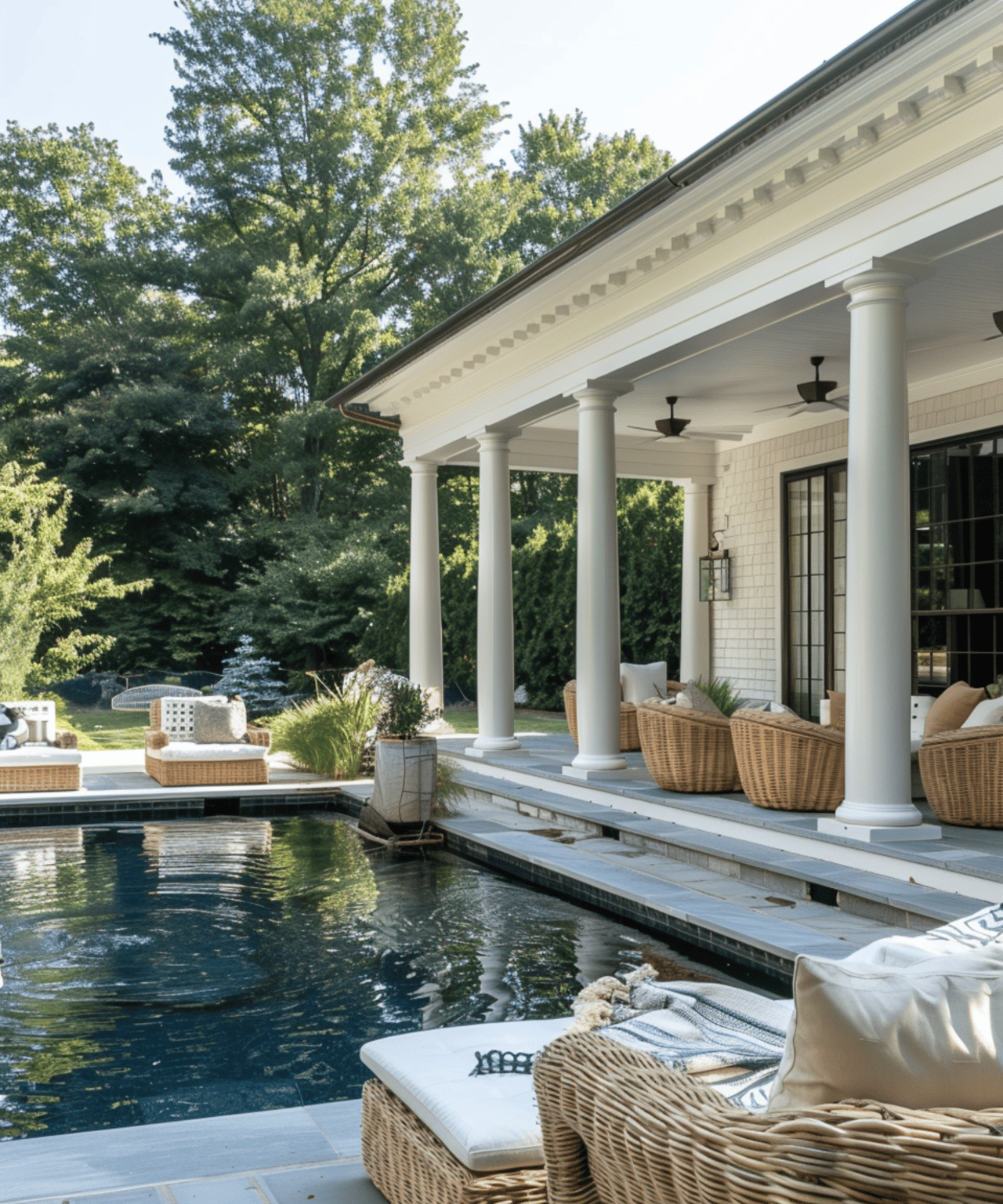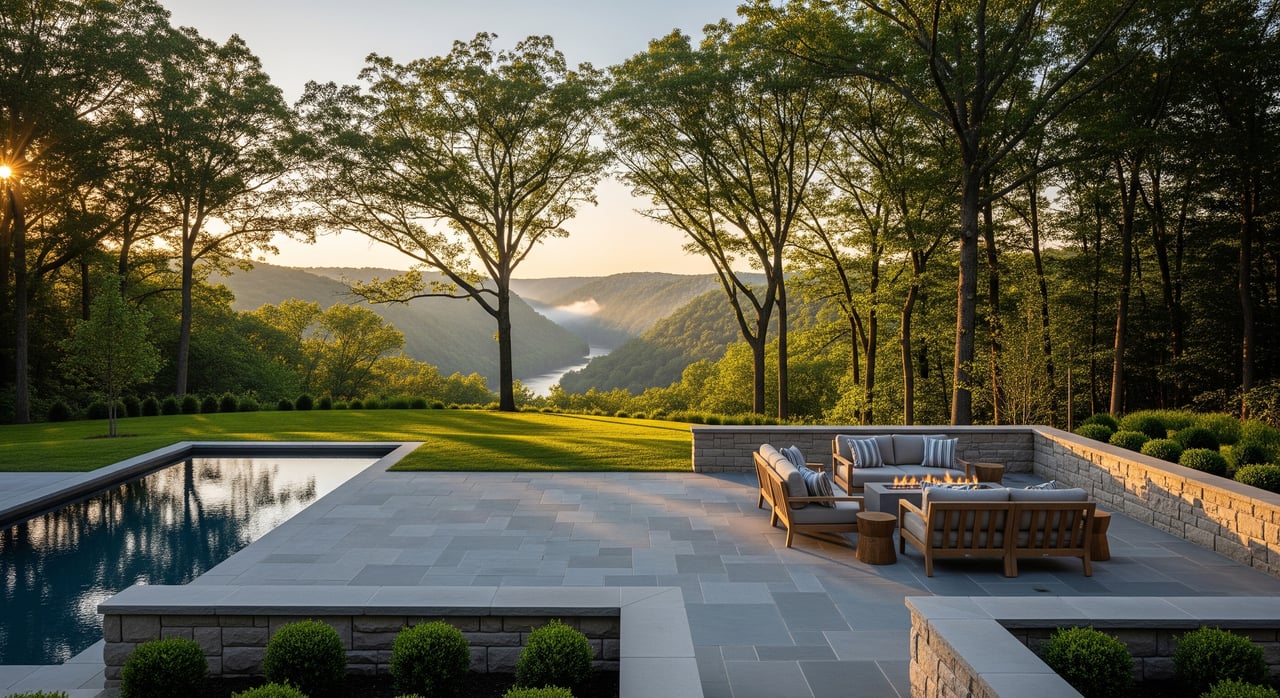
If your ideal day starts with coffee on a wide back patio and ends with a sunset walk by the Potomac, Great Falls may fit your lifestyle. You want space, privacy, and quick access to trails without giving up reach to Tysons or DC. In this guide, you’ll learn how estate lots work here, what outdoor access really looks like, and the practical details that matter before you buy or sell. Let’s dive in.
Great Falls at a glance
Great Falls sits along the Potomac River in northwestern Fairfax County, near Mather Gorge and a short drive from Tysons and Washington, DC. You are roughly 20 to 30 miles from downtown DC and about 10 to 20 miles from Tysons, depending on your route. Commute times vary widely with peak-hour traffic, so plan to test your route at the times you would travel.
The area is an affluent, low-density community with a rural-suburban feel. Expect quiet roads, mature trees, larger setbacks, and limited sidewalks in many pockets. There is no municipal government, so properties follow Fairfax County rules and services, and some neighborhoods have active HOAs or architectural controls.
Estate lots and homes
If you want land, you will find it here. Many homes sit on 1 acre or more, and 2 to 5-plus acre parcels are common. Equestrian or hobby-farm properties exist, though they are not universal.
Housing ranges from older estate homes to newer luxury construction and major renovations. Architectural styles vary, including Colonial, Traditional, Contemporary, and fully custom designs. Prices sit well above Fairfax County averages, with listings often in the high six figures to multi-million-dollar range. Premiums reflect lot size, renovation level, and proximity to river views or park access.
Large-lot estates often sell more slowly than smaller suburban homes because the buyer pool is smaller. That said, scarcity of comparable properties can support strong pricing when a home aligns with buyer preferences. Riverfront or park-adjacent locations and equestrian-ready setups attract niche demand.
Outdoor access and parks
Great Falls is known for immediate access to the outdoors. The showpiece is Great Falls Park, where you can hike to overlooks with sweeping views of the Potomac’s rapids and falls. It draws heavy visitor traffic at peak times, especially on weekends and holidays, so plan visits accordingly.
Within minutes, you can also reach Riverbend Park for trails and river access, or explore Scotts Run Nature Preserve and the historic Colvin Run Mill. The C&O Canal towpath and Potomac waterfront trails are accessible nearby for walking, biking, and non-motorized boating. Equestrian facilities and bridle trails serve riders throughout the area.
Utilities, zoning, environment
Utility connections vary by property. Some estates connect to public water and sewer, while others rely on wells and septic. Confirm service on a parcel-by-parcel basis with Fairfax Water’s service availability and the Fairfax County Health Department’s septic system guidance.
Zoning is set by Fairfax County and includes low-density and estate residential districts. Parcel-level zoning controls minimum lot size, accessory structures, and subdivision potential. You can review the county’s Zoning Ordinance and confirm details through county records.
Environmental considerations can shape how you use the land. Steep slopes, stream and wetland buffers, and floodplains along the Potomac may restrict clearing or construction and may increase site costs. Portions of Great Falls fall under the county’s Chesapeake Bay Preservation Ordinance, which protects sensitive areas. For river-adjacent parcels, review flood risk with the FEMA Flood Map Service Center.
Smart due diligence before you buy
- Septic inspection and percolation testing, plus well flow and water quality if not on public utilities.
- Boundary, topographic, and floodplain surveys to confirm setbacks and buildable area.
- Arborist review for tree health and a drainage or erosion assessment on sloped sites.
- A check of recorded covenants, easements, and any conservation or historic overlays.
Commute, services, schools
Most residents commute by car. Public transit options inside Great Falls are limited, though regional park-and-ride and commuter services exist nearby. Proximity to Tysons, Rosslyn, and DC can work for many buyers, but time in traffic depends on departure time and route.
Great Falls is served by Fairfax County Public Schools. School boundaries can influence decisions, so verify current assignments with the FCPS boundary locator. Emergency services are provided by Fairfax County. Large lot sizes can mean slightly longer response times compared with urban nodes, so check local coverage.
Ownership costs and upkeep
Larger parcels come with higher ongoing costs. Fairfax County property taxes scale with assessed value and acreage. Insurance can be higher, and riverfront owners may consider flood or umbrella policies.
Plan for increased maintenance: landscaping, tree care, long driveway upkeep and snow removal, pool or barn management, and periodic septic pumping and well testing. Budgeting and seasonal scheduling keep estate ownership stress low.
Buying in Great Falls
If you are moving up to acreage or relocating for privacy and space, take a structured approach:
- Define must-haves early, including minimum lot size, privacy, and desired outdoor features like a pool, riding ring, or guest house.
- Test commute routes at your actual drive times and note weekend park traffic near popular trailheads.
- Confirm utilities and order well, septic, and environmental inspections as needed.
- Understand zoning and any covenants that affect future plans, such as adding a barn or accessory dwelling.
- Price for location, lot, and improvements, not just square footage. River or park proximity and high-end outdoor living areas can add meaningful value.
- Align financing timelines with specialized inspections so you protect contingencies and can move when the right property appears.
Selling an estate
To reach the right buyers faster, present a complete, lifestyle-forward story:
- Lead with acreage, privacy, outdoor living spaces, and any river or park adjacency.
- Document improvements and site details up front, including septic and well status, surveys, and any easements or conservation notes.
- Stage for the outdoors. Fresh landscaping, power-washed hardscapes, and a ready pool or barn showcase daily use.
- Acknowledge that the buyer pool is specialized. Pricing and marketing that target executives, relocating buyers, and equestrian hobbyists can improve time on market.
- Expect a longer sale window than smaller suburban homes. Clear preparation and proactive disclosures build trust and support stronger negotiation.
Is Great Falls right for you?
Great Falls pairs estate-scale privacy with quick access to iconic parks and the Potomac. You get room to breathe, a calm setting, and a reasonable reach to Tysons or DC, with the tradeoff of higher upkeep and careful due diligence on utilities and environmental factors. If that balance sounds right, you can build a long-term plan that fits your lifestyle and wealth goals.
Ready to explore properties or position your estate for the right buyer? Connect with Tom Angel for tailored guidance and a clear plan from search to closing.
FAQs
How private is Great Falls for everyday living?
- Many areas feel quiet and secluded, but homes next to major park entrances or scenic overlooks can experience peak visitor traffic on weekends and holidays.
What lot sizes are typical in Great Falls?
- Lots of 1 acre or more are common, with many parcels in the 2 to 5-plus acre range; equestrian-ready properties exist but are not universal.
Is commuting to DC or Tysons realistic from Great Falls?
- Yes for many residents, but timing and route matter; plan on roughly 10 to 20 miles to Tysons and 20 to 30 miles to DC, with traffic driving actual times.
What should I know about wells and septic systems?
- Some homes use private wells and septic; order professional inspections, water quality tests, and septic evaluations, and confirm any available public connections with Fairfax County.
Are there building limits near the Potomac or streams?
- Yes, steep slopes, floodplains, and Chesapeake Bay Preservation areas can limit clearing and new construction, so review zoning, surveys, and FEMA flood maps before planning changes.
How fast do large estates sell compared with suburban homes?
- Large-lot estates often take longer because the buyer pool is smaller, but scarce inventory and the right mix of location, views, and amenities can support strong pricing.