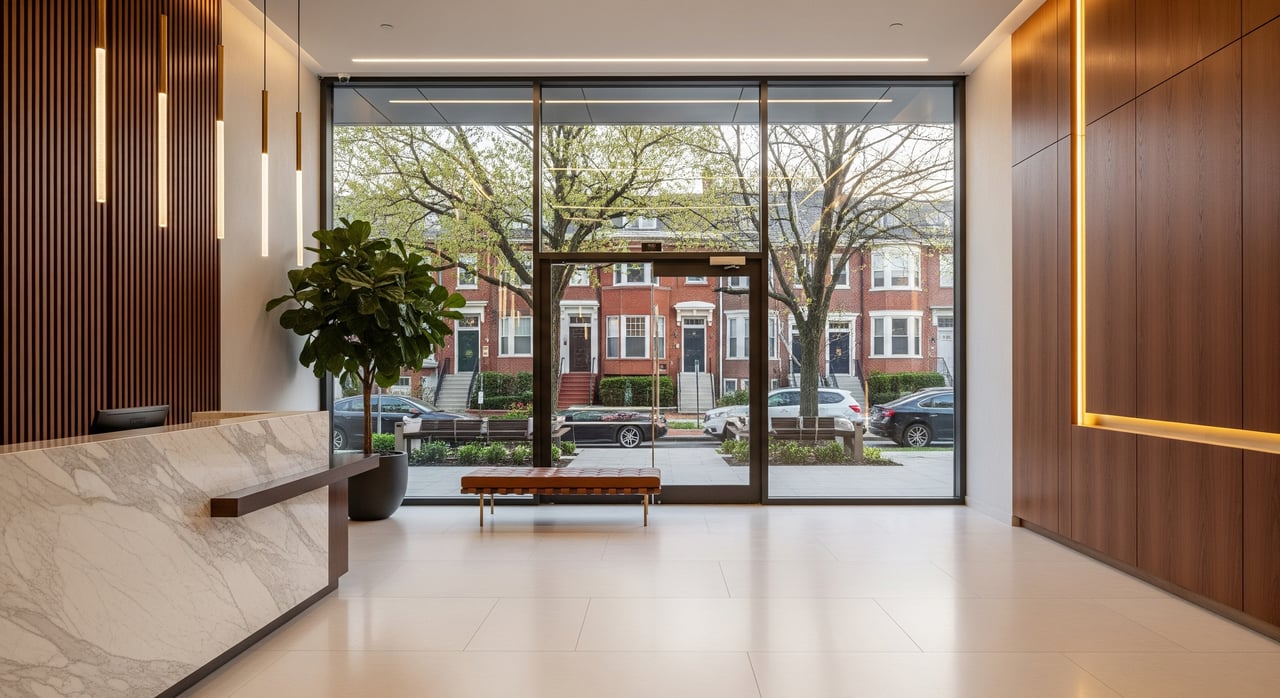
Are you trying to compare HOA and condo fees around Falls Church and not sure what each one really covers? You are not alone. These fees can change your monthly number by hundreds of dollars and affect how much a lender will let you borrow. In this guide, you will learn the practical differences between HOA and condo fees, typical Northern Virginia ranges by property type, how they play into your budget, and what to review before you buy. Let’s dive in.
HOA vs. condo fees explained
Condominium associations manage buildings where you typically own the interior of your unit and share ownership of the common elements. The association maintains the structure and common areas and charges a monthly condo fee for those services.
Homeowners associations govern neighborhoods and townhome communities where you own your home and the land under it. The HOA oversees shared amenities and standards and charges dues to fund those operations.
What this means for you:
- Who repairs what: Condo associations more often handle building exterior, roof, and shared systems. In many HOAs, owners handle exterior upkeep unless the community is a “maintenance” HOA.
- Insurance: Condo owners usually carry an HO-6 policy for interior finishes and personal property. Many townhome and single-family owners need a full homeowners policy.
- Fees and assessments: Centralized building responsibilities in condos can raise monthly fees or lead to special assessments when large projects come due.
What these fees usually cover
Common inclusions:
- Routine grounds and common-area care like landscaping, snow removal, and trash
- Building exterior and structural items for condos and some maintenance HOAs, including roof, siding, elevators, and garages
- Utilities billed at the building level, often water and sewer, sometimes gas or electricity for common areas or units
- Master building insurance for common elements and structure
- Reserve fund contributions to pay for future major repairs
- Management, accounting, and administrative costs
- Security, concierge, doorman, and on-site staff in higher-amenity buildings
- Amenity operations for pools, fitness centers, clubhouses, and playgrounds
Common exclusions you budget for separately:
- Interior repairs and personal property insurance
- Property taxes
- Mortgage principal and interest
- Unit-specific utilities like electricity, internet, and sometimes gas
- Special assessments for large or unexpected repairs
What drives fees up or down
- Amenities: Doorman, concierge, on-site staffing, pools, and gyms add cost.
- Building systems: Elevators, large roofs, façade work, and parking garages increase operating and reserve needs.
- Age and reserves: Older buildings in Northern Virginia may face big capital projects. Strong reserve studies reduce the chance of surprise assessments.
- Delinquencies: If many owners are behind on dues, boards may need to raise fees or levy assessments to keep up with costs.
Falls Church fee ranges to expect
These are general ranges based on Northern Virginia patterns and are helpful for early-stage budgeting. Actual fees vary by building age, size, amenities, insurance, reserves, and whether utilities are included. Always confirm the exact fee and inclusions in the listing documents.
- Garden-style condos in and around Falls Church: approximately $150 to $400 per month. These tend to have fewer amenities and a smaller common-area footprint, though older systems can raise costs.
- Mid- to high-rise condos near transit corridors: approximately $400 to $1,200+ per month. Doorman, concierge, pools, fitness centers, garage parking, higher master insurance, and elevator or garage maintenance drive fees.
- Townhome HOAs in Falls Church and nearby Fairfax: approximately $100 to $450 per month. Fees depend on whether the HOA manages exterior maintenance, private streets, snow removal, and any pools or courts.
Local context: Falls Church City mixes mid-century garden condos with newer townhome infill. Amenity-rich high-rises are more common along nearby Metro corridors and in adjacent Arlington. Buildings with more services and staffing often carry higher monthly dues.
How fees affect your monthly budget
Start with simple math. Add your condo or HOA fee to your monthly mortgage payment and escrowed taxes and insurance. Multiply the fee by 12 to see the annual cost and how it fits your plan.
A quick example: If your mortgage principal and interest are $2,000, taxes and insurance are $800, and your association fee is $400, your total monthly housing payment is $3,200. That $400 fee is part of your recurring obligations.
Lender view and qualification:
- HOA and condo fees count toward your debt-to-income ratio. Higher fees can reduce your borrowing capacity.
- Condo project eligibility matters. Some loan programs review the building’s reserve levels, owner-occupancy rates, and litigation status. If a project is not eligible, financing can be harder.
Other financial checks:
- Special assessments can be large. They may be due in a lump sum or spread over time.
- Reserve strength and delinquency rates signal future risk. Low reserves or high delinquencies can mean higher dues or assessments later.
- Insurance details matter. Confirm what the master policy covers compared to what you must insure for your unit.
- Tax treatment varies. In most cases, condo and HOA dues are not deductible as property taxes. Consult a tax professional for your situation.
Due diligence checklist before you offer
Ask the seller or listing agent for the association resale package or disclosure documents. Review:
- Current budget and recent financial statements
- Reserve study or current reserve balance
- Any current or pending special assessments
- Rules, bylaws, declaration, and community standards
- Insurance declarations or master policy summary
- Recent board meeting minutes, usually 6 to 24 months
- Any pending litigation or major planned projects
- Management company details and contact information
- Owner-occupancy and rental percentages
- Delinquency rate for dues
Also complete a physical review of the property’s exterior, roof lines, garage, elevators, balconies, and drainage. Your lender can confirm if your condo project meets program requirements if you plan to use FHA, VA, or other specific loan types.
Red flags that warrant a pause
- Minimal or no reserves with big repairs on the horizon
- Known special assessments that materially change your budget
- Active litigation involving the association that could impair financing or require higher costs
- Project-level ineligibility for common mortgage programs if you need those loan types
- Restrictive rental rules that conflict with your plan to rent out the home in the future
Smart questions to ask the board or manager
- Which utilities are included in the monthly fee, and which are owner-paid?
- Are any special assessments pending or under discussion?
- What is the current reserve balance, and is there a recent reserve study?
- What percentage of units are owner-occupied versus rented?
- What major projects are planned in the next one to five years?
- How does the association handle delinquent dues?
HOA or condo: which fits your plan?
If you value lock-and-leave convenience and want the building to handle exterior systems, a condo can be attractive. Keep an eye on reserves and planned capital projects.
If you want more control over your exterior and land, a townhome or single-family in an HOA may fit better. Fees can be lower when amenities are limited, though you may take on more maintenance.
If you prefer lower dues but worry about big repairs later, look for healthy reserves and recent system updates. Reserve strength and a clear maintenance plan can matter more than the headline fee.
Next steps
Create a realistic monthly budget that includes the fee, utilities not covered, and a cushion for potential assessments. Compare similar communities around Falls Church to see how amenities and building age change costs. Then review the resale package and ask direct questions about reserves, projects, and delinquencies before you commit.
If you want a second set of eyes on the documents or help narrowing options, reach out to Tom Angel for advisory tailored to your goals in Northern Virginia.
FAQs
What is the difference between HOA and condo fees in Northern Virginia?
- Condo fees fund building structure, shared systems, and common areas, while HOA dues fund neighborhood amenities and common grounds, with owners often handling more exterior upkeep in HOAs.
What do Falls Church condo fees typically include?
- Common-area maintenance, master building insurance, reserves, trash and landscaping, and often water and sewer, with amenities and on-site staffing adding cost in higher-rise buildings.
How do HOA or condo fees affect mortgage approval?
- Lenders count these fees in your monthly obligations for debt-to-income, which can lower your borrowing limit, and some condo projects must meet program eligibility standards.
What are normal fee ranges for condos and townhomes near Falls Church?
- Garden condos often run about $150 to $400 per month, mid- to high-rise condos about $400 to $1,200+, and townhome HOAs about $100 to $450, depending on amenities and services.
How can I avoid surprise special assessments?
- Review reserve studies, current reserves, board minutes, and planned projects, and ask directly about pending assessments and major repairs expected in the next one to five years.
Are HOA or condo fees tax deductible?
- In most personal-use cases, these fees are not deductible as property taxes, so include them in your after-tax budget and consult a tax professional for specific guidance.