By Tom Angel
McLean's historic homes carry a quality that no new construction can replicate — original hardwood floors worn smooth with decades of use, millwork profiles that take real craftsmen to reproduce, proportions that feel generous and considered in ways that modern floor plans rarely achieve. The challenge for owners of these homes isn't appreciating what they have. It's knowing how to layer contemporary life on top of historic bones without losing what made the house worth buying in the first place. Here's how to approach it.
Key Takeaways
-
The most successful historic home interiors treat original architectural features as the design anchor, not an obstacle to work around.
-
A restrained material palette that references the home's era creates cohesion without feeling like a museum.
-
Lighting is the highest-leverage update available in a historic home and the one most commonly underinvested in.
-
The goal is a home that feels lived-in and current without erasing the character that defines it.
Let the Architecture Lead
McLean's historic homes each have a visual logic rooted in their original design. The surest path to an interior that feels coherent is to read that logic clearly and respond to it rather than impose something unrelated on top of it.
How to Work With a Historic Home's Architectural Character
-
Identify the features worth centering: those that give a historic McLean home its identity and should be highlighted rather than concealed
-
Choose paint colors that reference the home's era without recreating it literally — deep greens, warm whites, colonial blues, and earthy ochres work with historic trim profiles in ways that stark contemporary whites often fight against
-
Maintain scale awareness when selecting furniture — historic rooms with high ceilings and generous proportions require pieces that hold their weight visually, not scaled-down contemporary furnishings that make the room feel underfurnished
-
Resist the urge to open every wall — the defined room sequences of colonial and Georgian floor plans create an intimacy and formality that open plans dissolve
The homes in McLean's most established neighborhoods that hold their value best are almost always those where the original architecture has been honored rather than renovated away.
Build a Material Palette That Respects the Era
The materials present in a historic McLean home have a warmth and weight that synthetic modern materials don't replicate. Building a decorative palette that complements those materials produces interiors that feel unified rather than retrofitted.
Materials and Finishes That Work in Historic McLean Homes
-
Natural textiles, including wool, linen, cotton velvet, and silk, bring warmth and texture that synthetic alternatives cannot match and age beautifully alongside original architectural finishes
-
Aged brass, unlacquered bronze, and oil-rubbed bronze hardware reads as period-appropriate across a wide range of historic eras and avoid the visual clash of polished chrome or matte black in traditional rooms
-
Stone and ceramic tile in neutral, earthy tones complement original hardwood and brick without competing
-
Antique and vintage furniture pieces mixed with quality contemporary selections create layered interiors that reflect a home's accumulated history rather than a single design moment
A material palette built on natural, durable, and historically resonant choices requires less refreshing over time and serves the home's character across decades rather than just a few trend cycles.
Prioritize Lighting as a Design Tool
Historic homes were designed for candlelight, fireplaces, and early gas fixtures — and their proportions and room arrangements reflect that. The way a room is lit in a historic home is not an afterthought. It is one of the primary factors that determines whether a space feels warm and inhabitable or cold and institutional.
A Lighting Strategy for Historic McLean Interiors
-
Layer ambient, task, and accent lighting in every primary room rather than relying on a single overhead fixture, which flattens historic rooms and eliminates the shadow and depth that make them beautiful
-
Period-appropriate chandeliers and sconces anchor a room's lighting scheme in a way that recessed cans alone cannot
-
Use warm-toned bulbs throughout, as the cooler light temperatures common in modern retrofits fight against the warm materials present in most historic homes
-
Fireplace lighting deserves its own consideration — the rooms in McLean's historic homes that are organized around fireplaces come alive when the fire is lit
Balance Preservation With How You Actually Live
The most livable historic home interiors are the ones that take the architecture seriously without treating the house as a preservation exercise. Real life needs to work inside these walls — which means technology, storage, and modern function all need thoughtful integration.
How to Integrate Modern Living Without Compromising Historic Character
-
Built-in storage that references original millwork profiles allows functional additions that feel like they belong rather than intrusions from another era
-
Technology integration works best when it disappears — speakers, screens, and control systems that are visible in use but invisible otherwise preserve the visual integrity of historic rooms
-
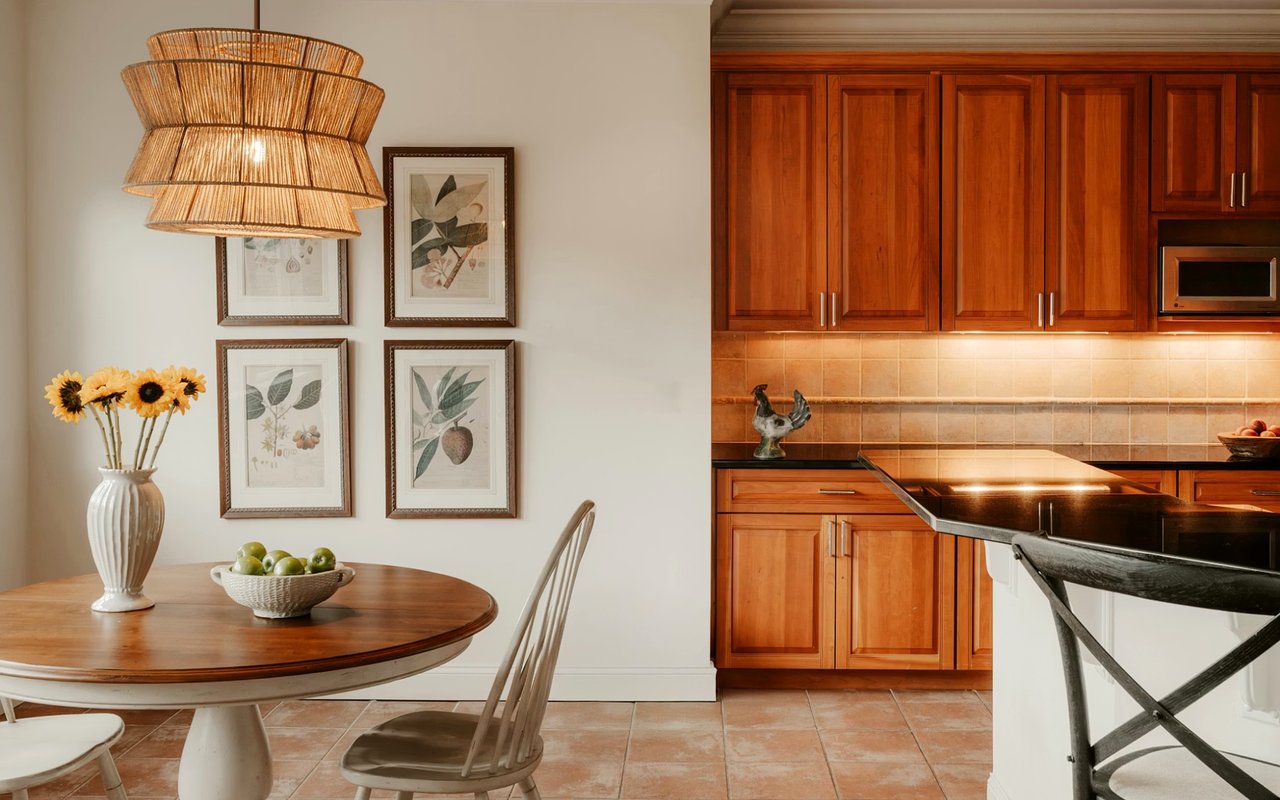
Kitchen and bathroom updates in historic homes benefit most from designs that prioritize quality material choices and classic proportions over trend-driven aesthetics
-
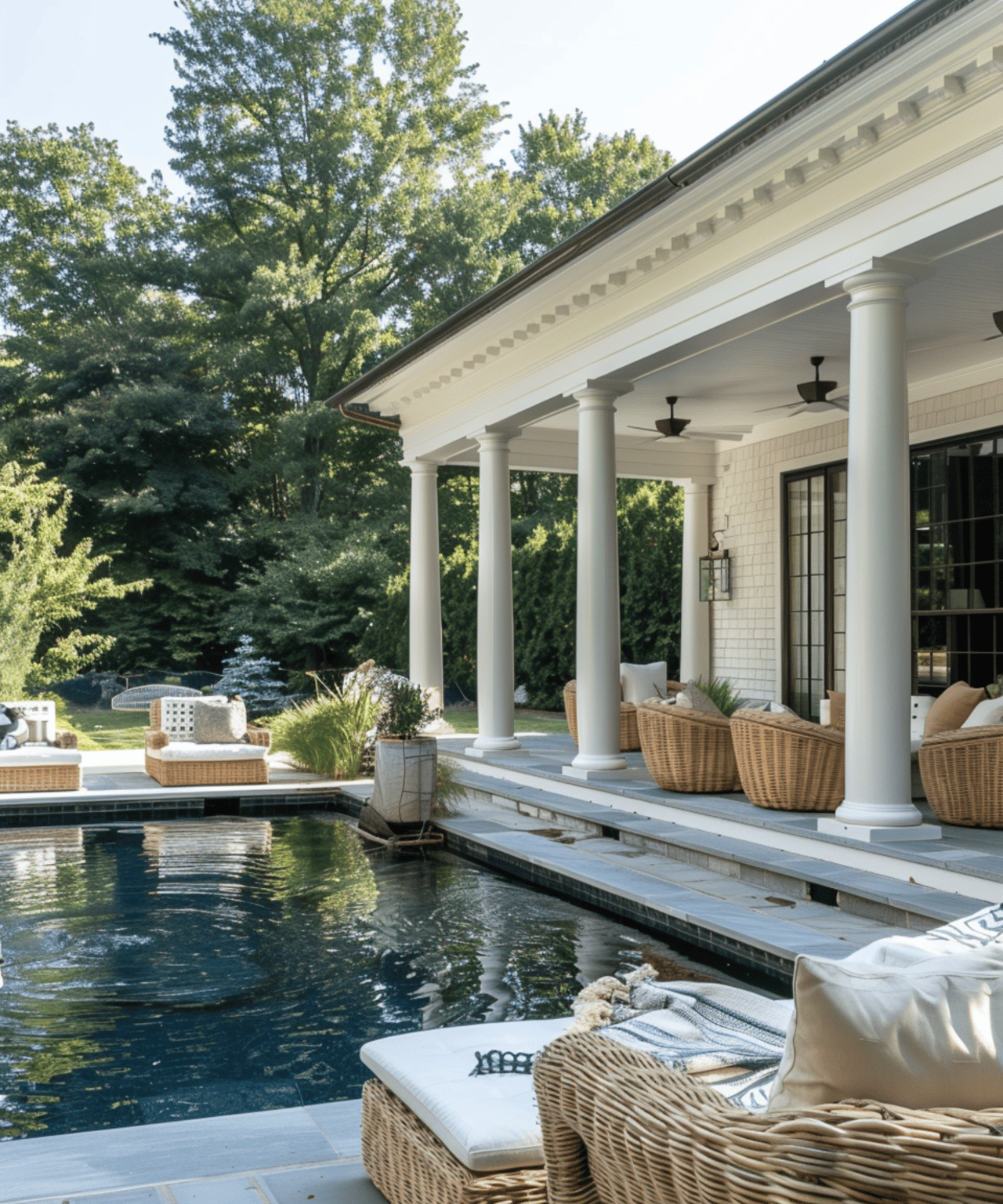
Outdoor living spaces connected to the home's historic structure should reference the architecture's material palette rather than introducing materials that create a visual break between inside and out
FAQs: Historic Home Interior Design in McLean
Should I restore original features or update them in a historic McLean home?
Restore wherever possible. Original hardwood floors, plaster moldings, paneled doors, and period hardware are expensive to replicate authentically and cannot be reproduced exactly. Restoration preserves both character and resale value in ways that replacement rarely matches.
How do I find designers experienced with historic homes in the McLean area?
The Northern Virginia chapter of the American Society of Interior Designers and local preservation organizations are good starting points. Designers with specific experience in period homes deeply understand the constraints and opportunities of historic architecture.
Which updates add the most value in a historic McLean home?
Lighting, kitchen, and primary bathroom refinements that honor the home's character, and careful paint and color work consistently produce the strongest buyer response. Updates that erase original features almost always diminish value in McLean's most discerning buyer segment.
Detail Is Everything
A historic home in McLean rewards the same quality of attention that I bring to every client relationship — careful observation, genuine care for what's already there, and the discernment to know what to preserve and what to improve. I'm rooted in this community, and I approach every transaction with the focus and calm that makes complex decisions feel effortless. Whether you're buying a McLean historic home, preparing one for sale, or simply thinking through what's next, I'd love to be part of that conversation.
Connect with Tom Angel today.
Connect with Tom Angel today.