If you want more space without giving up access to the D.C. region, acreage in Great Falls offers a rare middle ground. You get room to spread out, wooded surroundings, and a strong connection to parks and trails, but you are not stepping into true rural isolation. If you are considering this lifestyle, it helps to know what daily life really looks like, what the trade-offs are, and what to check before you buy. Let’s dive in.
What acreage means in Great Falls
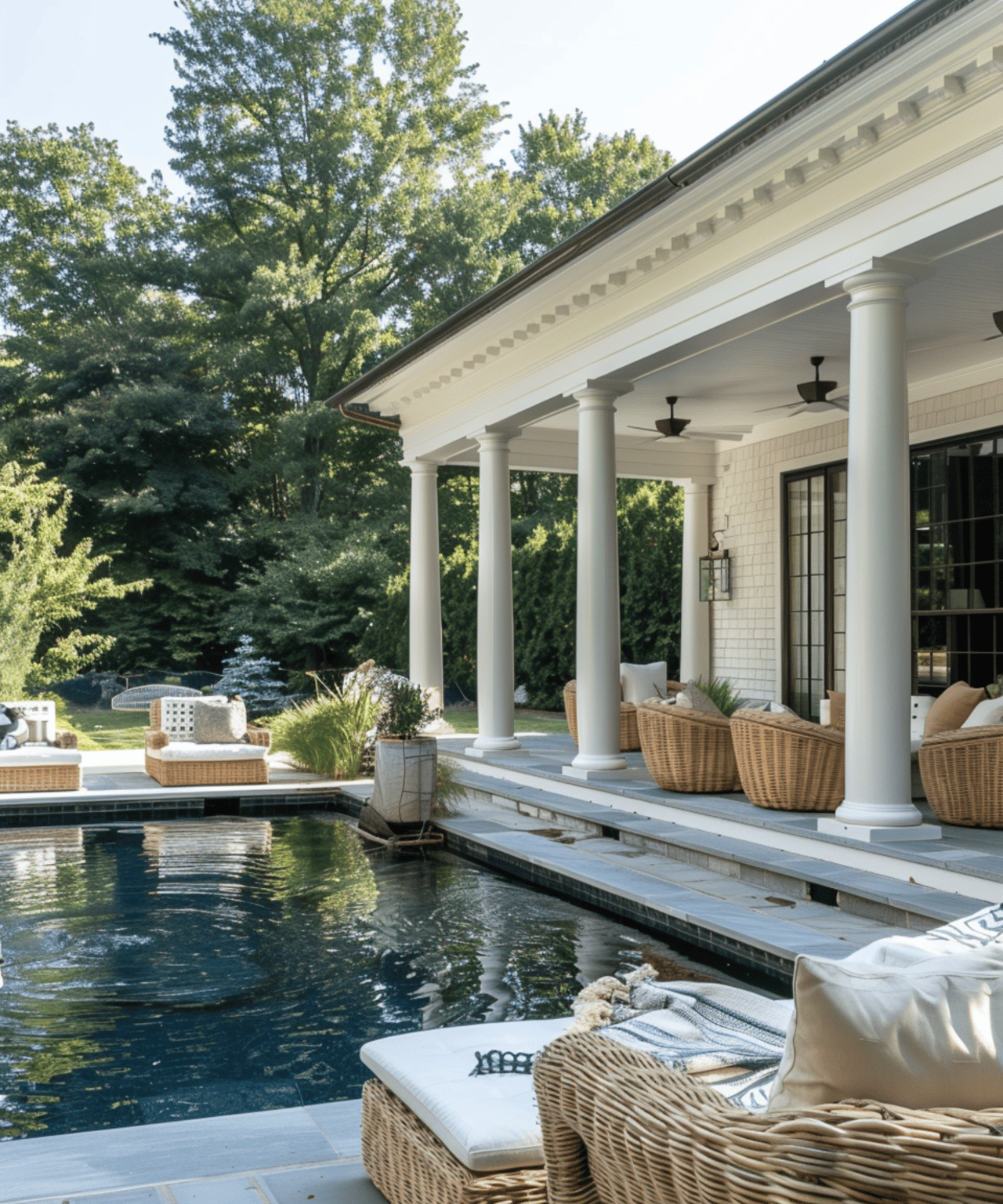
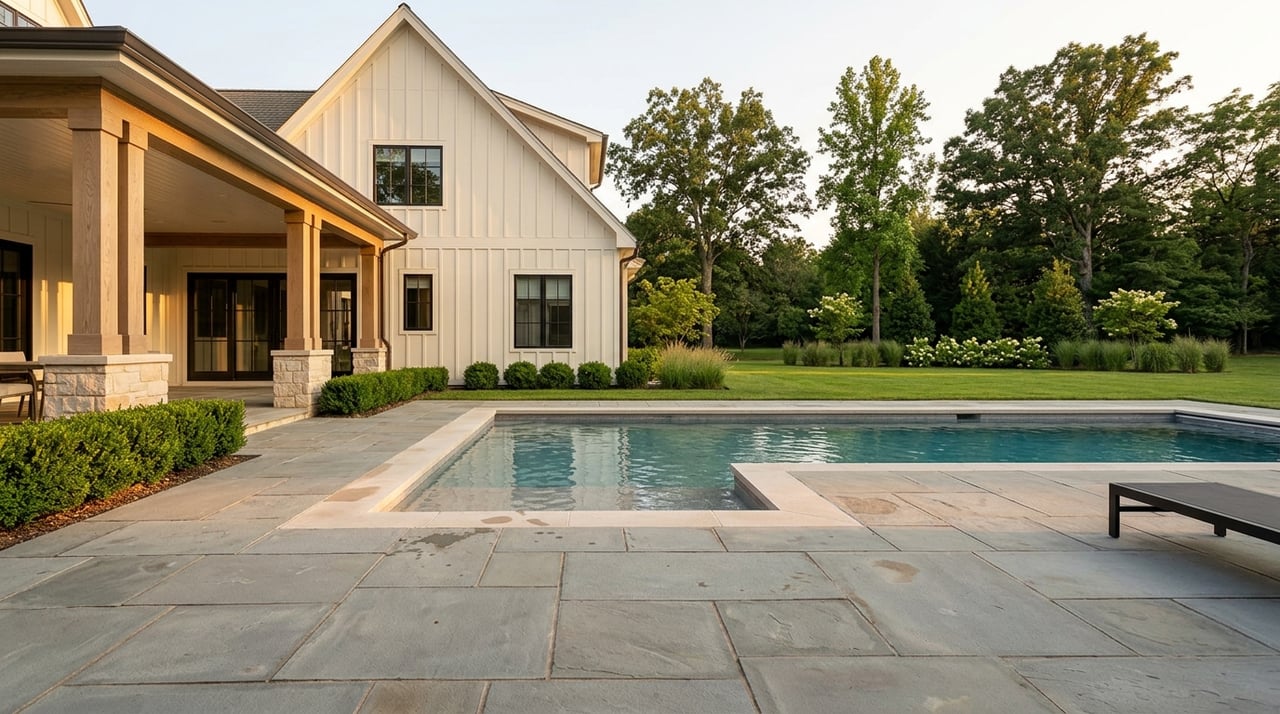
In Great Falls, acreage usually means estate-style living in close-in Fairfax County. The setting is defined by larger lots, more distance between homes, mature trees, and a lower-density feel than a typical suburban subdivision.
Fairfax County’s R-E residential-estate district helps explain that character. The district requires a minimum lot area of 75,000 square feet for conventional lots, along with 50-foot front setbacks, 20-foot side setbacks, and 25-foot rear setbacks. County parcel examples in Great Falls include properties around 90,217 square feet as well as parcels of about 6.0 acres, so the local market includes both one-acre-plus homes and larger multi-acre estates.
That matters because “acreage” here is not just about raw land. It is about a specific type of ownership experience that blends privacy, outdoor space, and estate-scale homes with county rules and long-term upkeep.
Why buyers are drawn to acreage
For many buyers, the biggest appeal is space. A larger lot can give you more separation from neighbors, longer driveways, room for outdoor entertaining, and flexibility for gardens, recreation areas, or detached structures where allowed.
There is also a strong privacy factor. Wooded buffers and generous setbacks can create a quieter, more tucked-away feel than you would typically find in tighter neighborhood layouts.
At the same time, Great Falls is not cut off from everyday convenience. Great Falls Village offers restaurants, coffee shops, ice cream, and other local stops, and the area is also near broader shopping and services in Tysons and McLean.
Outdoor living is part of the lifestyle
One of the clearest advantages of living on acreage in Great Falls is how easily outdoor activity can become part of your normal week. This is not just a place with a few nearby parks. It is an area tied into a much larger network of protected land and trails.
Great Falls Park adds a natural backdrop
Great Falls Park is an 800-acre National Park Service site about 15 miles from Washington, D.C. It includes 15 miles of hiking trails, and some trails allow biking and horseback riding.
The park’s trails are packed dirt and gravel rather than paved paths. That gives the area a more natural, less manicured feel and reinforces the outdoors-oriented character that many acreage buyers want.
Riverbend Park expands the trail network
Riverbend Park adds even more access to open space. Fairfax County says the park includes more than 400 acres of forest, meadows, and ponds, along with over 10 miles of hiking trails and routes for horses and mountain bikes.
The county also notes that Riverbend’s trails connect to regional parkland and National Park Service trails. That connectivity is a big part of daily life in Great Falls, especially if you value walking, trail running, riding, or simply spending time outside.
County trails support an active routine
The broader county system matters too. Fairfax County Park Authority manages more than 22,000 acres and over 334 miles of trails used by walkers, joggers, cyclists, and horseback riders.
The county says its trail system is designed to connect homes, businesses, schools, and parks. The result is that outdoor recreation in Great Falls can feel less like a special event and more like a regular habit.
What daily life feels like on a bigger lot
Living on acreage often feels calmer and more spread out than living in a standard subdivision. You may have a longer driveway, more lawn or wooded area to manage, and more physical separation between your home and the next one.
That space can be a major advantage if you want flexibility. You may be able to create room for outdoor gathering areas, gardening, or future improvements, subject to county rules.
Still, the experience is not the same as owning unrestricted land in a remote area. Great Falls acreage is shaped by Fairfax County land-use rules, environmental considerations, and practical maintenance needs.
Bigger lots still come with rules
One common misconception is that a larger parcel means you can build almost anything anywhere on the property. In reality, lot size creates possibilities, but it does not remove setback, permit, or easement requirements.
Fairfax County regulates sheds and other freestanding accessory structures. The county generally requires building permits for detached structures over 256 square feet, and structures cannot encroach into easements.
That means if you are thinking about an outbuilding, expanded outdoor living area, or other site work, you will want to review what is allowed before making plans. Acreage can give you more options, but successful ownership still depends on understanding the rules attached to the land.
Maintenance is a real part of acreage ownership
Acreage living can be rewarding, but it usually asks more of you than a smaller suburban lot. More land often means more mowing, more tree care, more driveway upkeep, and more attention to drainage and general property maintenance.
Utilities can also be more hands-on. Some acreage homes in Great Falls rely on private wells and onsite sewage systems rather than fully public utility service.
Private well responsibilities
Fairfax County says private-well homeowners are responsible for water safety. The county recommends testing well water annually.
For buyers, that means water service is not always something you can treat as fully passive. It is part of the ownership picture and deserves attention during due diligence.
Septic system considerations
Fairfax County says onsite sewage systems must have septic tanks pumped at least once every five years. The county also states that if a septic system fails and public sewer is available within 300 feet, connection to sewer may be required.
This is one of the biggest practical differences between acreage ownership and a more typical subdivision home. Before you buy, it is worth understanding what system serves the property and what that may mean for future maintenance or upgrades.
Site work can be more complex
Great Falls is known for wooded land and environmentally sensitive areas, and that can affect future plans for a property. If a lot is near streams or mapped protected areas, renovation or site work may involve added review.
Fairfax County requires Resource Protection Area boundary delineation studies for site-related plans where RPAs are shown on the county map. That can affect grading, additions, or other changes on stream-adjacent lots.
If you are buying with renovation in mind, this is especially important. The right property for you is not only about the house as it sits today, but also about what the site may or may not allow over time.
Park access comes with a trade-off
Living near popular open space is a major benefit, but it does come with one practical downside. Fairfax County notes that Riverbend Park sees high visitation on weekends and holidays, with significant entry delays and temporary closure when parking fills.
That does not reduce the value of having these parks nearby, but it is useful to know what to expect. Some of the same natural amenities that make Great Falls attractive also draw plenty of visitors.
Why acreage in Great Falls stays appealing
Part of the long-term appeal is simple: space is limited. Large zoning minimums, extensive parkland, and close-in access to the broader region all contribute to a setting where estate-style land is not common compared with standard suburban inventory.
For buyers who value privacy, outdoor access, and room to grow, that limited supply is part of what makes Great Falls stand out. It offers a distinctive lifestyle that is hard to duplicate in more densely built parts of Fairfax County.
What to think about before you buy
If you are exploring acreage in Great Falls, focus on the full ownership picture, not just the headline lot size. A beautiful parcel can be a great fit, but only if the land, systems, and long-term use line up with how you want to live.
A smart review should include:
- Lot size and zoning context
- Setbacks and easements
- Accessory structure rules and permit needs
- Well and septic responsibilities, if applicable
- Potential Resource Protection Area constraints
- Driveway, landscape, and general maintenance demands
- Proximity to parks, trails, village amenities, and regional services
When you look at acreage through both a lifestyle lens and a practical lens, you are more likely to make a strong long-term decision.
If you are weighing a move to Great Falls or planning a sale of an acreage property, working with an advisor who understands both the lifestyle and the land-use details can make the process much clearer. For tailored guidance on Great Falls estate and acreage homes, connect with Tom Angel.
FAQs
What does acreage living in Great Falls usually look like?
- In Great Falls, acreage living usually means estate-style homes on large lots with more privacy, wooded surroundings, and a lower-density setting than a typical subdivision.
What is the minimum lot size for estate zoning in Great Falls?
- Fairfax County’s R-E residential-estate district requires a minimum lot area of 75,000 square feet for conventional lots.
What parks support the Great Falls acreage lifestyle?
- Great Falls Park and Riverbend Park are major local outdoor assets, and the wider Fairfax County trail system adds hundreds of miles of connected recreational routes.
What should buyers know about wells and septic systems in Great Falls?
- Some acreage homes use private wells and onsite sewage systems, and Fairfax County says well owners should test water annually while septic tanks should be pumped at least once every five years.
Can you add structures on an acreage property in Great Falls?
- Larger lots may allow more flexibility, but Fairfax County still applies setback, easement, and permit rules, including permit requirements for detached structures over 256 square feet.
What is one trade-off of living near parks in Great Falls?
- Fairfax County says Riverbend Park can experience heavy visitation on weekends and holidays, which may lead to delays and temporary closure when parking fills.