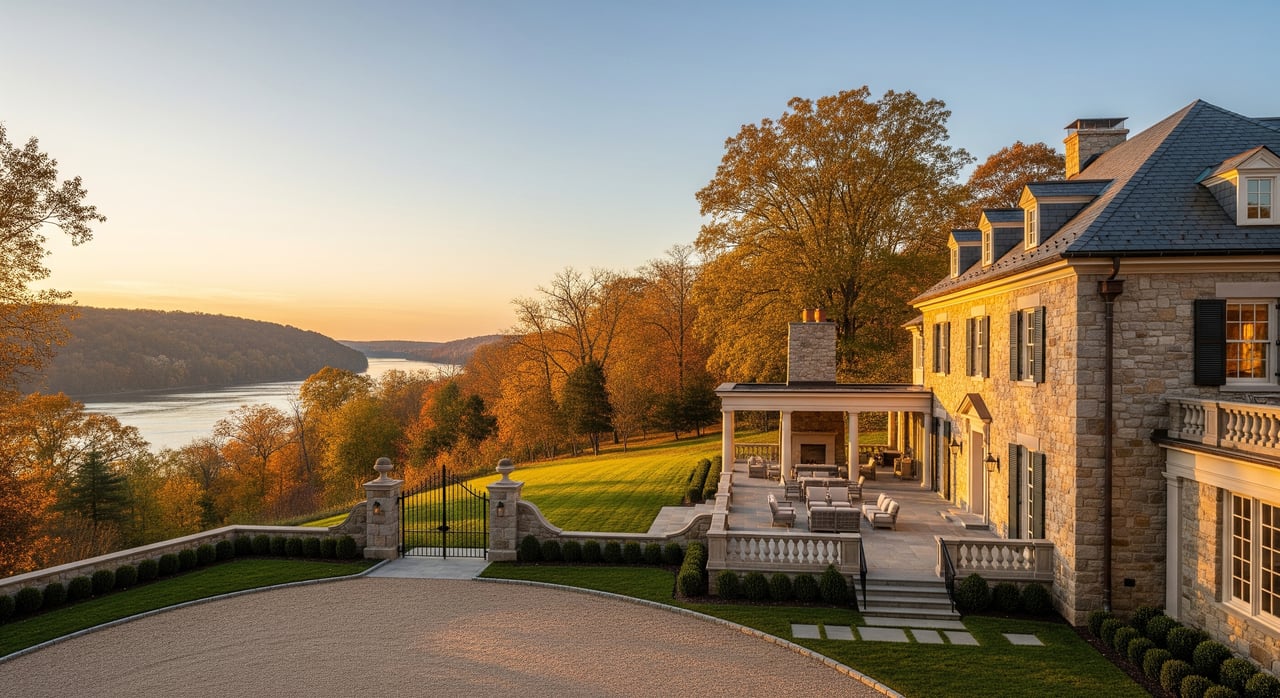
Craving more space and privacy, but not sure you want to give up quick access to shops and transit? If you are choosing between McLean and Great Falls, you are weighing two great Northern Virginia lifestyles. Each offers strong value, but in very different ways. In this guide, you will see how housing, commute patterns, everyday amenities, schools, and ongoing costs compare so you can pick the fit that feels right. Let’s dive in.
Quick take
- McLean: convenience and options. Closer to Tysons and major roads, more housing types, and easier access to transit and services.
- Great Falls: space and privacy. Larger lots, a wooded and semi-rural feel, and quiet neighborhoods with limited retail nodes.
- Your choice likely comes down to commute tolerance, lot size preferences, and how much you value immediate access to shopping and services.
Housing and lots
McLean: mix of options
In McLean, you will find a wide range of homes, from mid-century single-family houses to high-end custom builds, plus townhomes and condominiums. Neighborhoods vary block by block. Some streets have smaller suburban yards, while others feature newer luxury replacements. Closer to Tysons and main corridors, development is denser with more condo and townhouse options.
Great Falls: estates and acreage
Great Falls is dominated by single-family homes on large lots, often an acre or more. Many properties are custom homes with deep tree cover and generous setbacks. You will feel more distance between houses and a stronger sense of privacy. Multifamily options are limited, and the residential character is low density by design.
Zoning and redevelopment
McLean’s varied zoning and proximity to Tysons support more infill and higher-density redevelopment in certain pockets. Great Falls is guided by low-density residential zoning that emphasizes its estate and village character. Subdivision potential is more limited, which helps preserve the area’s spacious feel.
Maintenance and utilities
Bigger properties usually mean higher ongoing maintenance. In Great Falls, plan for more landscaping, tree care, and driveway upkeep. Some homes may be on septic rather than public sewer, so verify utilities for each address. McLean has a broader mix of public sewer coverage and smaller lots that can reduce yard work. Either way, assess utilities, internet providers, and service options before you buy.
Commute and transit
McLean: closer routes, more options
McLean sits near I-495, Route 123, and the George Washington Memorial Parkway. Many residents have shorter drives to Tysons, Arlington, and DC, and can pivot among several major routes when traffic spikes. Commute times can still vary at peak hours but alternative options are easier to find.
Great Falls: scenic drives, longer times
Great Falls relies more on two-lane roads such as Georgetown Pike and local collectors to reach the Beltway, Tysons, or nearby Metro stations. Peak-hour drives tend to be longer and more sensitive to incidents. If you prioritize predictability, test your routes at typical rush hours before you commit.
Transit access
Parts of McLean are a short drive to Silver and Orange Line stations and have more Fairfax Connector and express bus options. Great Falls has limited fixed-route transit. Many residents drive or rideshare to Metro, carpool, or build flexible schedules to manage longer commutes.
Quality-of-life tradeoff
McLean often delivers shorter, more reliable commute choices. Great Falls rewards you with space and quiet, but day-to-day travel can take longer. Weigh the benefits of acreage against the time cost of daily trips to work, school activities, and errands.
Everyday conveniences
Grocery, retail, and dining
McLean offers a higher density of shops, groceries, restaurants, and services, especially around downtown McLean and Tysons. You can run most errands within a short drive. Great Falls centers on small village nodes with limited retail. Many residents head to Tysons, Reston, or Vienna for full-service shopping and dining.
Parks and recreation
Great Falls has quick access to riverfront and parkland, including Great Falls Park, with a strong trails and equestrian culture nearby. McLean also offers excellent outdoor options like Scott’s Run and Clemyjontri Park, plus easy access to urban park amenities in surrounding areas. If outdoor space is a top priority, both communities deliver, but Great Falls leans more wooded and conservation-focused.
Medical and professional services
From McLean, you can reach urgent care, specialty providers, and major facilities like Inova Fairfax Medical Campus with relative ease. Great Falls residents often drive a bit farther for hospitals and specialty care, commonly toward Tysons or Fairfax.
Internet and utilities
Service levels vary by street. In both areas, verify fiber availability, speeds, and provider options at the address level. In outlying parts of Great Falls, check for septic and any property-specific utility constraints before you bid.
Schools overview
Both McLean and Great Falls are served by Fairfax County Public Schools. School assignments are based on attendance zones and can change over time. Commonly referenced high schools include McLean High School and Langley High School. If school placement matters, confirm current boundaries for specific addresses and review extracurricular access and commute patterns for your family.
Lifestyle tradeoffs
Choose McLean if you want
- A range of housing choices from condos and townhomes to luxury single-family homes.
- Shorter drives to Tysons, Arlington, and DC, plus better transit access.
- Quick proximity to shopping, dining, and services.
- Smaller or moderate yards with lower maintenance relative to large-acreage living.
Choose Great Falls if you want
- Larger lots, deeper tree cover, and a quiet, estate-like setting.
- A semi-rural feel with a strong connection to trails and parkland.
- Space for hobbies, privacy, and potential equestrian interests.
- Willingness to accept longer, more variable commutes.
Resale considerations
McLean’s housing variety often appeals to a broader buyer pool, which can support resale flexibility. Great Falls resonates with buyers who prioritize acreage and privacy, a more specialized audience. Both communities command premiums at the upper end, driven by lot size, location, and finishes.
Costs to plan for
- Landscaping and tree care: Larger lots in Great Falls usually mean higher recurring costs.
- Septic vs. public sewer: Verify system type and plan for inspections and maintenance when applicable.
- Utilities and internet: Confirm providers, speeds, and reliability per address.
- Property taxes and HOA: Factor in county taxes and any HOA obligations. Disclosures will outline fees and rules.
- Snow and driveway upkeep: Long driveways and private roads may require extra snow removal and maintenance budgeting.
How to choose with confidence
- Map your commute: Test your typical route at peak hours from both areas. Note time and stress level.
- Prioritize your lot preferences: Decide how much yard you want and how much maintenance you can handle.
- Clarify school needs: Check current assignments for candidate addresses and plan activity logistics.
- Validate utilities: Confirm sewer type, internet providers, and any property constraints before you fall in love.
- Set budget tiers: Consider entry, typical, and luxury segments for each area based on current market reports from MLS or local associations.
- Tour at different times: Visit on weekday mornings and weekend afternoons to feel traffic, noise, and neighborhood rhythms.
Next steps
Choosing between McLean and Great Falls is about matching your daily routine with the setting that supports it. If you want a strategic, wealth-minded plan for your next move, partner with a local advisor who understands both micro-markets and can tailor options to your goals. From buyer and seller representation to valuations, relocation guidance, investor advisory, and high-value estates, you can get a clear path forward with a plan that fits your life and long-term outcomes. Ready to explore your best fit? Connect with Tom Angel.
FAQs
What are the main differences between McLean and Great Falls?
- McLean offers more housing variety, transit access, and nearby retail, while Great Falls delivers larger lots, more privacy, and a semi-rural feel with fewer commercial nodes.
How do commutes compare from McLean vs. Great Falls to DC or Tysons?
- McLean typically has shorter, more flexible routes via I-495, Route 123, and the GW Parkway, while Great Falls relies on two-lane roads that can lengthen and vary commute times.
Are most Great Falls homes on septic or public sewer?
- Many larger-lot properties in Great Falls may be on septic, though there are pockets on public sewer; always verify utilities for each address.
What housing types can I find in McLean and Great Falls?
- McLean includes condos, townhomes, and a wide range of single-family homes; Great Falls is mostly single-family estates on larger lots with limited multifamily options.
How do school assignments work in McLean and Great Falls?
- Both are served by Fairfax County Public Schools with boundaries based on attendance zones; confirm current assignments for each property, as boundaries can change.
Is new construction easier to find in McLean or Great Falls?
- McLean has more infill and redevelopment potential in certain areas, while Great Falls emphasizes low-density zoning that preserves its estate character.
Where do residents shop and dine in each area?
- McLean has more retail and dining close by, especially around downtown and Tysons, while Great Falls residents often use local village options or drive to nearby towns for full-service shopping.
How should I weigh lot size versus commute time?
- Start with your daily needs. If you value space and privacy and accept longer drives, Great Falls fits well; if commute flexibility and quick errands matter more, McLean is likely the better choice.