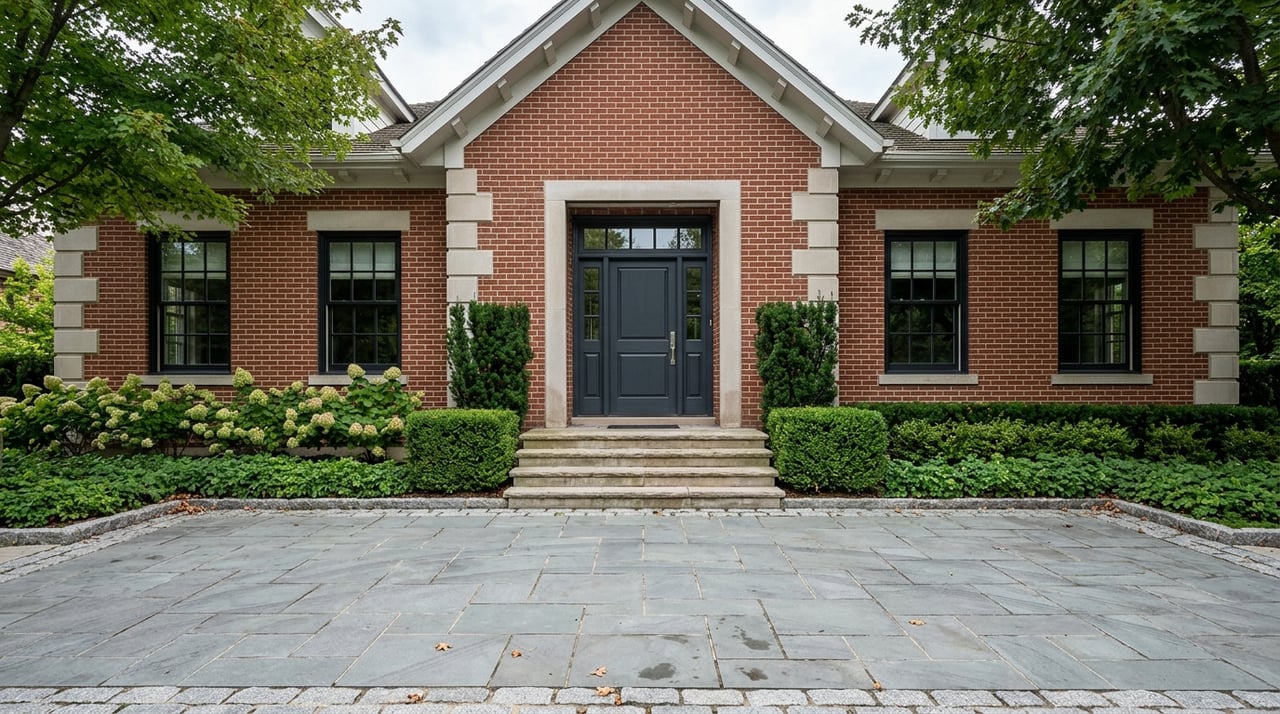
If you are preparing to sell an estate in Great Falls, first impressions can carry real financial weight. In a market where the median listing price was $2.475 million in March 2026 and homes were selling at about asking price on average, small improvements in presentation can matter more than many sellers expect. The good news is that with the right plan, you can reduce friction, strengthen your launch, and present your property with the polish buyers now expect. Let’s dive in.
Why preparation matters in Great Falls
Great Falls sits in a premium Fairfax County submarket, and the local numbers help explain why buyer expectations are high. Census QuickFacts for Great Falls shows a median household income of $250,000+ and a median value of owner-occupied homes of $1.411 million. That level of purchasing power usually comes with close attention to presentation, documentation, and overall condition.
The online experience matters just as much as the in-person showing. Census data also shows that 98.8% of households have broadband subscriptions and 85.3% of adults hold a bachelor’s degree or higher, which supports the idea that buyers in this market are likely to study photos, videos, virtual tours, and property details carefully before they ever visit. In other words, your listing needs to read clearly and look exceptional from day one.
According to the National Association of Realtors 2025 Profile of Home Staging, 83% of buyers’ agents said staging made it easier for buyers to picture a home as their future residence. NAR also found that 58% of respondents said buyers were disappointed when homes looked less polished than homes they saw on TV. For a Great Falls estate, that gap between expectation and reality can be costly.
Start 8 to 12 weeks early
For most Great Falls estates, a practical planning window is about 8 to 12 weeks before launch. That gives you time to gather records, complete repairs, address well or septic items if needed, and then move into cleaning, staging, and media production without rushing. The goal is not just to make the house look good, but to make the entire listing feel organized and credible.
A smart order of operations usually looks like this:
- Confirm whether the property uses public utilities or a private well and septic system.
- Pull maintenance records, permits, plats, surveys, and any easement or HOA documents.
- Address exterior, system, and deferred maintenance issues.
- Deep clean and declutter the home.
- Stage key rooms.
- Schedule professional photography, video, and a virtual tour.
This sequence matters because visible styling should come after the property’s practical issues are under control. If you start with décor before handling system or documentation questions, you risk delays later when buyers begin asking sharper questions.
Handle land and property documents early
With larger properties, buyers often look beyond the house itself. They may ask about lot lines, access, easements, conservation restrictions, flood hazard areas, and structures located farther from the main residence. That is why gathering property documents early can save time and reduce uncertainty once your home is on the market.
Virginia’s Residential Property Disclosure Statement makes clear that sellers do not make representations about items such as lot lines, adjacent parcels, resource protection areas, flood hazard areas, and conservation easements, and buyers are advised to conduct their own due diligence. In practice, this means it is wise to locate any available survey, plat, easement records, and related land-use documents before launch so you can respond quickly when questions come up.
This step becomes even more important if your estate includes detached buildings, long driveways, shared access, or features that may rely on recorded documents. Organized records do not replace buyer due diligence, but they can make the transaction feel smoother and more transparent.
Check well and septic systems before listing
In Great Falls, some properties rely on private well and onsite sewage systems, so this should be one of your first checkpoints. These systems often attract extra attention during the sale process, especially on larger parcels where buyers want confidence that maintenance has been handled responsibly.
According to Fairfax County’s sewage and water guidance, septic tanks that have not been pumped in more than five years should be pumped, and county code requires pump-out at least once every five years for systems that do not require a VPDES permit. Alternative onsite sewage systems must be inspected annually and sampled every five years. If you are unsure when service was last completed, now is the time to verify it.
Fairfax County also says homeowners on private wells should test water annually for bacteriological and chemical contaminants and check the well for mechanical damage. The Virginia Department of Health does not require a well inspection or water quality testing for a property transfer, but local governments or lenders may require them. Having recent records ready can help reduce surprises later.
Before the home goes live, try to gather:
- Well logs
- Water test results
- Septic permits
- Pump-out receipts
- Annual inspection or service records
- Documentation for any treatment systems
This is one of the most practical ways to lower closing risk. Buyers may still complete their own investigations, but your preparation helps the process move forward with fewer unanswered questions.
Improve curb appeal like it is part of the floor plan
For estate homes, the exterior is not a side note. It is part of the showing experience, the photography package, and the emotional tone of the listing. The approach, gate, driveway, landscaping, front entry, and visible maintenance all shape the way buyers feel before they step inside.
NAR reports that sellers’ agents most often recommend decluttering, whole-home cleaning, and curb appeal improvements, with landscape work, minor repairs, paint touch-ups, and professional photos also ranking highly. That lines up well with what Great Falls buyers tend to notice in the first few minutes of a visit.
Focus on the basics first:
- Prune overgrowth and refresh planting beds
- Clean driveways, walkways, and entry hardscapes
- Touch up peeling paint or stained trim
- Repair visible exterior wear
- Make the front door and arrival sequence feel crisp and intentional
A well-kept exterior suggests the rest of the property has been cared for, too. On an estate listing, that confidence can carry through the entire tour.
Stage the rooms that carry the most weight
Not every room needs the same level of attention. NAR found that the rooms most worth staging were the living room, primary bedroom, and kitchen, while sellers’ agents most often staged the living room, primary bedroom, and dining room. For a large home, this is helpful because it lets you focus your budget where it can make the biggest impact.
The same report found that the median amount spent when using a staging service was $1,500. While every property is different, that figure is a useful reminder that staging is often a measured marketing decision rather than an unlimited expense. In a market where a 1% shift from the current median listing benchmark equals roughly $24,750, thoughtful presentation can be financially meaningful.
When staging a larger estate, the goal is not to fill every corner. It is to make the scale feel purposeful. That usually means reducing visual clutter, avoiding furniture that feels too small for the room, and creating layouts that make circulation easy to understand.
Simplify oversized interiors
Large homes can be surprisingly hard to present well. Empty rooms may feel cold or hard to read, while overfurnished rooms can feel busy and smaller than they are. The right strategy is usually a balance between warmth and clarity.
Aim to make each major space answer a simple question for the buyer: What is this room for, and how does it connect to the rest of the home? If a space has multiple possible uses, define one clearly rather than leaving it ambiguous. Buyers tend to respond better when room flow feels obvious.
As you prepare, consider these practical edits:
- Remove excess furniture and accessories
- Create clean sightlines from one room to the next
- Use scaled groupings that fit the room size
- Minimize personal items and visual noise
- Highlight natural light and architectural detail
This approach helps the home feel intentional and spacious rather than empty or overdone.
Invest in strong listing media
In a market like Great Falls, your first showing often happens online. NAR found that buyers’ agents rated photos, physical staging, videos, and virtual tours as important listing assets. Sellers’ agents also placed especially high value on professional photos, along with videos and traditional staging.
That makes professional media one of the clearest priorities for an estate launch. Still photography is essential, but it should be supported by a walkthrough video and virtual tour when possible. These formats help buyers understand scale, flow, and setting before they decide whether to book a showing.
This matters even more in a highly connected community. If most buyers begin with a detailed online review, your media package needs to do more than document the property. It needs to tell a clear story about how the estate lives.
Think of preparation as risk management
Many sellers think of pre-listing work as a cosmetic exercise. For a Great Falls estate, it is also a form of transaction management. Cleaning, staging, and photography improve appeal, but records, maintenance, and disclosure-related preparation can also help reduce avoidable stress once a buyer is under contract.
That is why the strongest listing launches usually combine two goals: polished presentation and fewer open loops. When those two pieces come together, your home is better positioned to attract serious attention and move through the sale process with fewer obstacles.
If you are preparing to sell an estate in Great Falls, the best next step is a plan that matches your property’s scale, condition, and timeline. Tom Angel brings a calm, advisor-first approach to estate preparation, pricing, and launch strategy so you can move forward with clarity and confidence.
FAQs
What should Great Falls sellers do first before listing an estate?
- Start by confirming whether the property uses public utilities or a private well and septic system, then gather maintenance records, permits, surveys, plats, and any easement or HOA documents.
How early should you prepare a Great Falls estate for sale?
- A practical timeline is about 8 to 12 weeks before launch so you have time for records, repairs, cleaning, staging, and professional media.
What rooms matter most when staging a Great Falls estate?
- Based on NAR staging data, the living room, primary bedroom, and kitchen are among the most important rooms to prioritize.
Why do well and septic records matter when selling a Great Falls property?
- They can help answer buyer questions early, reduce delays, and show that important systems have been maintained according to available county guidance.
What marketing materials are most important for a Great Falls estate listing?
- Professional photography, a walkthrough video, and a virtual tour are the clearest priorities supported by the NAR staging report.
How does curb appeal affect a Great Falls estate sale?
- Curb appeal shapes the first impression online and in person, and improvements like landscaping, cleaning, and minor repairs can strengthen the overall presentation of the property.