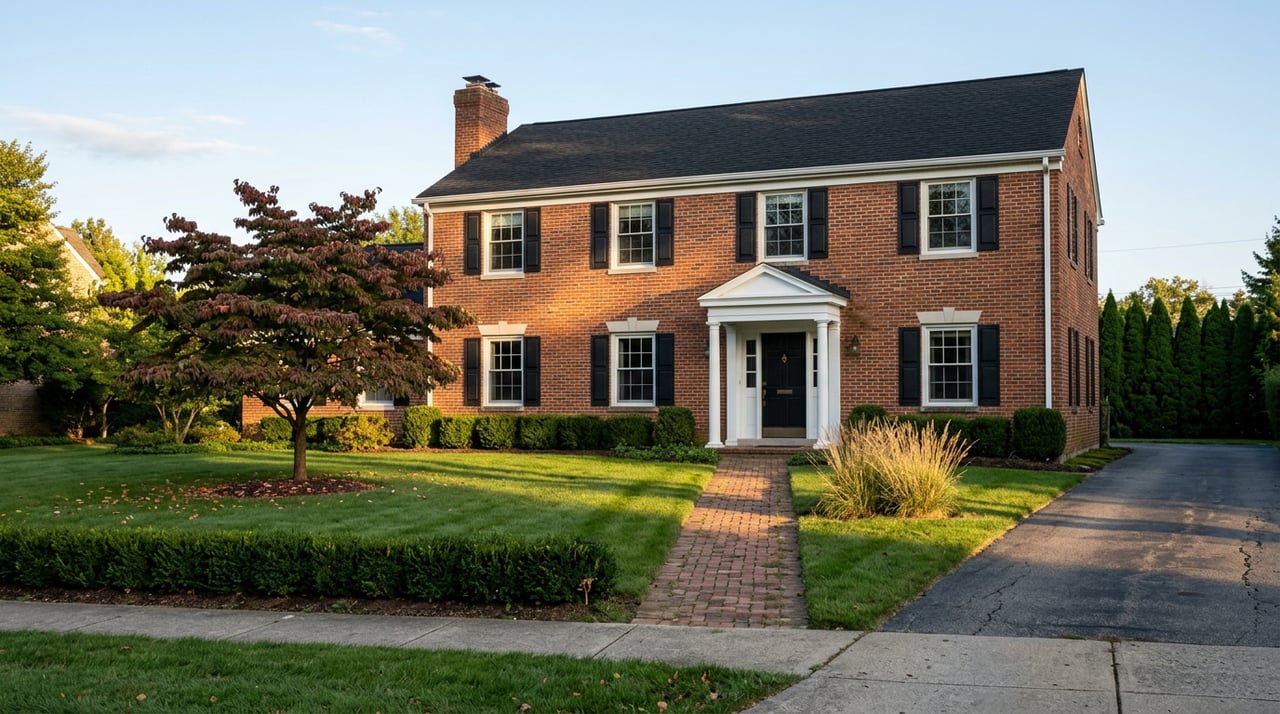
The inspector is in the crawl space with a flashlight, and the buyer's agent is standing by the foundation asking about a capped pipe sticking three inches out of the lawn. It looks like nothing. It is usually something. In a lot of Vienna's original neighborhoods, that pipe is the fill line for a heating oil tank nobody has thought about since the furnace was swapped for gas sometime in the 1980s.
The seller's first question is almost always the same: isn't there a state fund for this? There is. It just doesn't do what most people assume.
Why This Keeps Coming Up in Vienna Specifically
Vienna's earliest residential streets were built during the postwar boom of the 1950s and 1960s, when wide lots and detached single-family homes became the template for the town. Natural gas service didn't reach every block at the same pace it does today, so heating oil was the default fuel for a large share of that original housing stock. Tanks went in the ground or the basement, tanker trucks made regular deliveries, and when gas lines eventually arrived, plenty of homeowners switched furnaces and left the tank exactly where it was.
That decision, made decades ago by someone who may no longer own the house, is what shows up during due diligence today. A standard home inspection is visual. It can flag a capped fill pipe, an old vent line, abandoned copper tubing in the basement, or a slight depression in the yard, but it cannot tell you whether a tank is still down there or whether it has leaked. That requires a separate step: a tank sweep to locate it, and if one is found, a soil test to check for contamination.
The Fund Sounds Like Insurance. It Isn't One.
Virginia does have a real mechanism here: the Virginia Petroleum Storage Tank Fund, administered by the Department of Environmental Quality. It pays for cleanup after a confirmed release, above a $500 deductible, up to a $1 million cap. That is genuinely useful if a tank has leaked and contaminated soil.
It is also the source of nearly every misunderstanding sellers have about this issue, because DEQ is explicit about what the fund will not touch:
DEQ does not reimburse to remove heating oil tanks or close them in place.
Read that again next to what a buyer, a lender, or an insurer typically asks for at closing, which is almost never "clean up a confirmed leak." It's "get the tank out of the ground" or "close it in place properly," neither of which the fund was built to pay for. The fund protects against contamination. It does not protect a seller from the plain cost of dealing with a tank that never leaked at all.
Here's the split, in the terms DEQ itself uses:
| Covered by the VPSTF | Paid out of pocket |
|---|---|
| Soil and water sampling after a confirmed release | Tank sweep to locate a tank in the first place |
| Removing and disposing of contaminated soil | Removal or closure-in-place of a non-leaking tank |
| Cleanup costs above the $500 deductible, up to $1 million | Permit fees for closure or removal |
| Any work a lender or insurer requires beyond what DEQ mandates |
A seller with a clean, non-leaking tank gets none of the fund's benefit and all of the bill.
The Permit Doesn't Route Through Vienna Town Hall
Most residential permitting in Vienna starts at Town Hall, since the Town of Vienna reviews site plans and building permit applications for compliance with its own zoning code before Fairfax County handles the construction side. Fuel tank abandonment and removal work differently. Under Fairfax County's own guidance, plans, permits, and inspections for fuel tanks go through either the county's Office of the Fire Marshal or Land Development Services, depending on the size and type of tank, and no product can be reintroduced or the tank closed until a Fire Marshal representative has witnessed the required testing.
For a seller used to the Town-first sequence on every other home project, that's worth knowing before a contract deadline is bearing down. The right call is to the county, not the town, and building that into a pre-listing timeline avoids a scramble during an active transaction.
What a Lender Can Require That DEQ Never Would
Even a tank with no leak history and no contamination can stall a deal, because DEQ's requirements and a lender's requirements are not the same list. Fannie Mae's own guidance to appraisers states that when a hazardous condition like an abandoned tank is identified, the appraiser has to flag it, note any effect on marketability, and make the appraisal subject to inspection by a qualified professional. From there, the lender decides what's acceptable collateral, and that decision can call for more documentation, testing, or remediation than DEQ would ever mandate for a tank that hasn't leaked.
That gap, between what the state requires and what a bank will actually accept, is where financing timelines slip. A seller who assumes "DEQ says it's fine" has answered the wrong question.
The Signs Worth Checking Before You List, Not After
A buyer's inspector will look for these. There's no reason a seller shouldn't look first:
- A capped fill pipe or vent pipe near the foundation, often just a few inches above grade
- Two small pipes emerging from the ground close together
- Abandoned copper fuel lines in the basement, disconnected from the current heating system
- An old oil burner switch or a patched opening in a foundation wall
- A shallow, circular depression in the yard where soil has settled over a buried tank
- Furnace or boiler records showing a system replacement without any documentation of what happened to the tank it replaced
None of these confirm a leak. They confirm a question worth answering before a buyer's inspector answers it for you, on their clock, during an option period.
The Sequence That Actually Protects a Seller
The homeowners who handle this well don't wait for a home inspection report to raise it. They order a tank sweep before listing, while there's still time to make a calm decision instead of a rushed one. If no tank turns up, that documentation becomes part of the disclosure package and closes the question for good. If a tank is found, the choice between removal and closure in place, along with the permit path through Fairfax County's Fire Marshal, gets sorted before a contract clock is running.
Licensed environmental contractors who work this part of Northern Virginia, including firms like Pollard Environmental and OilTankRemovals.com, handle the sweep, the soil testing if needed, and the paperwork that satisfies both DEQ and a lender. That paperwork is what turns a vague seller disclosure into a documented, closed-out issue a buyer's attorney can actually sign off on.
A Few Questions Worth Asking Before You List
Does every home built in Vienna before the 1980s have an oil tank? No. Many were converted decades ago and the tank was properly removed at the time, with permits on file. The only way to know for a specific property is a sweep, not a guess based on the home's age.
If a sweep finds a leak, does the state fund cover everything? It covers eligible cleanup costs above the $500 deductible, up to $1 million. It does not cover the tank removal itself, and any work required beyond what DEQ mandates for the cleanup is a separate cost.
Can I just leave the tank alone and let the buyer deal with it? You can disclose and negotiate it, but Virginia DEQ notes that failing to close an out-of-use tank properly can make a property harder to sell or refinance down the line. Addressing it before listing tends to keep more options, and more leverage, in the seller's hands.
An oil tank under a Vienna lawn is not a red flag about the house. It's a documentation gap from a decision someone made forty or fifty years ago, and it closes cleanly once someone actually looks. If you're weighing whether to list a home from one of Vienna's original neighborhoods and want a straight answer on what to check first, Thomas Angel can walk through the timeline with you before it becomes a contract contingency instead of a pre-listing decision.
This article is general information, not legal, tax or financial advice. Consult a qualified professional about your situation.