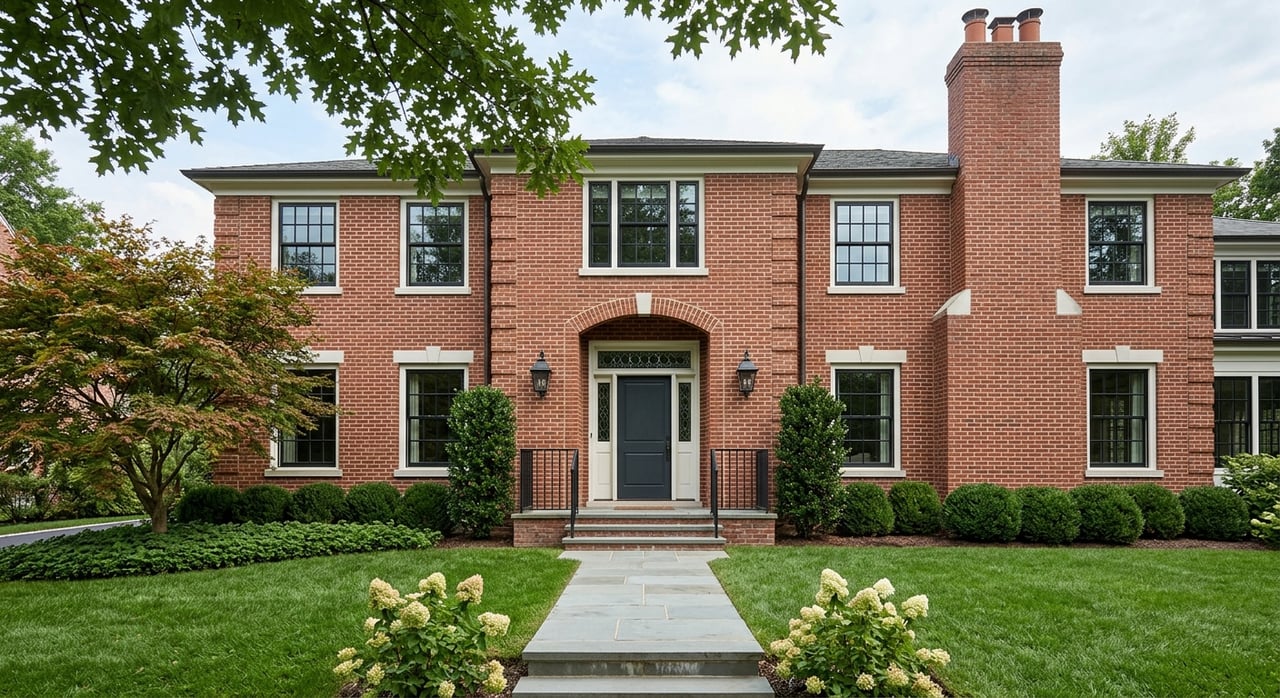
Selling a home in McLean is rarely a basic list-it-and-wait process. In a market where owner-occupied home values are high and many sellers expect a tailored experience, the details around pricing, preparation, presentation, and negotiation can shape your result in a big way. If you are wondering what a boutique advisor actually does for you, this guide breaks it down clearly so you can see where hands-on advice adds value. Let’s dive in.
Why McLean sellers often want more
McLean is a distinct market. U.S. Census data shows an owner-occupied housing rate of 86.1%, a median owner-occupied home value of $1,412,700, and median household income above $250,000. Those numbers help explain why many sellers here expect a more customized and detail-focused listing process.
Market conditions also call for strategy. Realtor.com’s April 2026 McLean summary reports a median listing price of $2.95 million, 374 homes for sale, median days on market of 31, and a 100% sale-to-list ratio. At the same time, Northern Virginia remains relatively supply-constrained, with NVAR reporting 1.39 months of supply in March 2026.
That combination matters to you as a seller. In a premium market with serious buyers and meaningful price points, even small decisions can affect how your home is received and how strong your final terms look.
What a boutique advisor means
At the most basic level, a listing starts with a written agreement that authorizes an agent to represent and market your property. That agreement can outline services, pricing strategy, compensation, and whether you want to authorize concessions or buyer-agent compensation. It is also important to know that compensation is negotiable and not set by law.
A boutique advisor works on the full-service end of the spectrum. By contrast, a limited-service arrangement may focus mainly on MLS exposure and may not include help with showings, offer analysis, or negotiation support. If you want guidance from planning through closing, the difference is significant.
For you, that usually means having one advisor who helps manage the moving parts instead of leaving you to coordinate them alone. In McLean, where expectations are often high and presentation standards matter, that hands-on role can be especially useful.
What happens before your home goes live
Pricing against real competition
A boutique advisor does more than suggest a number. The job is to evaluate your home against the properties buyers will actually compare it to, then position it in a way that supports your goals and current market conditions. In a market with a 100% sale-to-list ratio, pricing discipline still matters because terms and buyer response can shift quickly.
This is also where local nuance comes in. Two homes with similar square footage can perform differently based on condition, updates, lot utility, layout, and how they compare with active alternatives. Thoughtful pricing helps you avoid chasing the market or leaving leverage on the table.
Deciding what to fix
Not every repair deserves your time or money. A boutique advisor helps you sort the items that may improve buyer confidence from the items that are unlikely to change the outcome. That can help you focus your effort where it is most likely to matter.
This is especially helpful in McLean’s higher price ranges. Buyers often notice deferred maintenance, but they also care about whether a home feels well prepared overall. The goal is not perfection. The goal is smart preparation.
Building a prep plan
Preparation usually includes a timeline, vendors, access coordination, and presentation planning. Your advisor may personally coordinate the process while bringing in specialists for staging, photography, or video. That gives you one point of contact while still using the right outside professionals where needed.
This kind of coordination can reduce stress and prevent last-minute decisions. It also helps keep your launch aligned so the home is ready when the marketing begins.
Why presentation matters in McLean
Staging helps buyers connect
Staging is not just about decoration. In NAR’s 2025 Profile of Home Staging, 83% of buyers’ agents said staging made it easier for buyers to visualize a home as a future residence. That matters because buyers often make fast judgments based on how clearly they can imagine living in the space.
There can also be practical benefits for sellers. In the same report, 19% of sellers’ agents said staging increased the dollar value offered by 1% to 5%, and 30% reported slight decreases in time on market. The reported median spend on a staging service was $1,500.
In a place like McLean, staging can be part of meeting buyer expectations for a polished debut. It helps highlight scale, flow, and lifestyle use without changing the facts of the home.
Photos and video set the tone
Online presentation is often the first showing. NAR found that 88% of sellers’ agents said photos were much or more important to clients, and 47% said the same about videos. For higher-value listings, those assets are often essential, not optional.
A boutique advisor helps make sure the visual story matches the home’s market position. That includes timing the shoot correctly, making sure the house is ready, and coordinating the pieces so your first impression is strong.
Marketing should fit the property
Not every McLean listing needs the exact same marketing plan. A boutique approach adjusts the launch based on the home, its likely buyer pool, and its price point. That can include how the home is presented, how the showing schedule is structured, and how buyer feedback is interpreted.
The benefit to you is not just broader visibility. It is smarter positioning. The right strategy can help attract serious buyers and support stronger negotiation later.
What a boutique advisor does during showings
Once your home is live, the work shifts from preparation to market response. Showings, buyer questions, agent communication, and feedback all need to be tracked and interpreted in context. This is where a hands-on advisor helps you separate noise from meaningful signals.
For example, repeated feedback about condition, layout, or price may point to an adjustment worth considering. On the other hand, isolated comments may simply reflect one buyer’s preferences. A boutique advisor helps you stay calm and make measured decisions instead of reacting to every data point.
How offers are reviewed and negotiated
Every offer gets proper attention
NAR’s seller guidance says REALTORS® should present all offers to the seller and treat buyers fairly and equitably. That means your advisor’s role is not to pre-screen based on assumptions, but to help you understand what each offer actually means.
This is important because the strongest offer is not always the highest number on page one. Timing, financing strength, contingencies, requested concessions, and closing flexibility can all shape your outcome.
Price is only one part of the deal
In McLean, negotiation can be about much more than sale price. Buyer requests may involve closing timelines, inspection terms, appraisal risk, or seller concessions. Buyers may also request compensation for their agent, and any such offer requires your prior written approval.
A boutique advisor helps you compare these tradeoffs clearly. In a market where sale-to-list ratios are sitting at 100%, terms can matter just as much as the headline price.
Strategy stays seller-led
One of the most important parts of this process is that you stay in control. Buyer-agent compensation is not mandatory, and concessions are not one-size-fits-all. Your advisor’s role is to explain your options, outline the likely effects, and help you choose the path that best supports your goals.
That is where an advisor-centered approach differs from a more transactional one. You are not just receiving paperwork. You are getting context, interpretation, and a strategy built around your priorities.
Contract management matters more than many sellers realize
Virginia disclosures need attention
In Virginia, sellers should understand the Virginia Residential Property Disclosure Statement. It states that owners make no representations or warranties as to condition, lot lines, adjacent parcels, and several other matters, and it directs buyers to perform their own due diligence and inspections before settlement.
Virginia law also says a licensee representing an owner as listing broker must inform that owner of the rights and obligations under the Virginia Residential Property Disclosure Act. That makes disclosure oversight an important part of the listing side of the transaction.
HOA and condo documents can affect timing
If your property is part of a condominium or subject to the Property Owners’ Association Act, there may be additional written disclosure and resale-certificate obligations. These items can affect timing and should not be treated as an afterthought.
A boutique advisor helps you identify these requirements early, so you are not scrambling later. That can reduce delays and lower the chance of a missed step before closing.
Deadlines need active management
Once you are under contract, there are still many details to manage. Inspection periods, document delivery, negotiation follow-up, and settlement prep all require close attention. Missing a deadline or misunderstanding a required handoff can create avoidable stress.
This is one of the clearest reasons sellers choose a boutique experience. Careful contract management is not glamorous, but it is essential to getting from accepted offer to closing with fewer surprises.
Boutique service is really about stewardship
For many McLean sellers, the real value of a boutique advisor is not one single task. It is the combination of pricing judgment, preparation guidance, presentation oversight, negotiation support, and contract management delivered in a personal, responsive way. In a premium market, that level of stewardship can help you make better decisions at every stage.
If you want a sale that supports both your immediate goals and your bigger real estate plans, it helps to have an advisor who sees the transaction as more than a listing entry. That is often the difference between basic representation and a truly hands-on selling experience.
If you are thinking about selling in McLean and want a clear, strategic plan for your home, Tom Angel offers the kind of boutique, advisor-first guidance that helps you move forward with confidence.
FAQs
What does a boutique advisor do for a McLean home seller?
- A boutique advisor typically helps with pricing, preparation, staging coordination, marketing oversight, offer review, negotiation strategy, and contract management from listing through closing.
How is a boutique listing different from a limited-service listing in McLean?
- A limited-service listing may focus mainly on MLS exposure, while a boutique listing experience usually includes hands-on guidance with showings, offer analysis, negotiations, and transaction oversight.
How does staging help when selling a home in McLean?
- NAR’s 2025 staging report found that staging helps buyers visualize the home, and some sellers’ agents reported higher offers and slightly less time on market after staging.
How are concessions and buyer-agent compensation handled for McLean sellers?
- These are seller decisions. They are not mandatory, and any offer of buyer-agent compensation requires the seller’s prior written approval.
What Virginia disclosures should McLean sellers know about before closing?
- Sellers should understand the Virginia Residential Property Disclosure Statement, and if the property is in a condo or HOA, they should also prepare for related disclosure and resale-certificate requirements.
Why do contract details matter so much when selling in McLean?
- In a high-value market, the final outcome can be shaped by more than price alone, including timing, financing strength, contingencies, disclosures, and settlement deadlines.